VGA-HRH
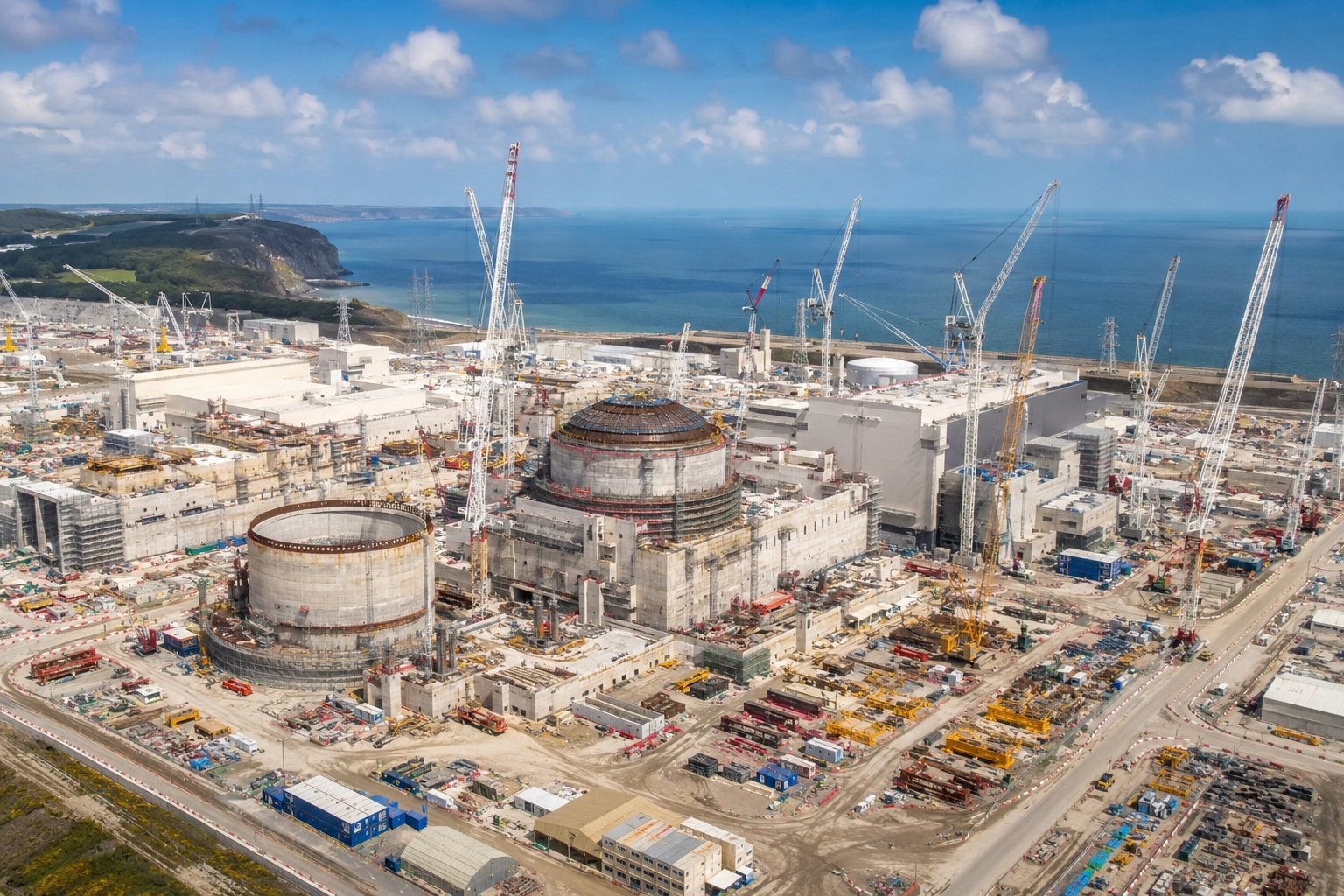
Radiation-hardened avionics
Helios-RH
Flight computers and sensor buses that keep working inside a reactor hall and beyond the Van Allen belts.
Avionics · Instrumentation · Control
We design flight control, measurement and control systems for the three places ordinary hardware does not survive: the flight deck at 40,000 feet, low Earth orbit, and the inside of a reactor building. Out of Chantilly since 1998.
HQ 38.895°N 77.433°W · Chantilly, VA
Approvals & standards
Every programme is designed, built and evidenced against these.
01 — Who we are
A flight control computer that reboots on final approach is not an inconvenience. Neither is a neutron flux channel that drifts during a fuel movement.
Everything we build starts from that premise. It shapes how we pick parts, how we write requirements, and why our test campaigns are longer than our customers usually expect at the start — and shorter than they expect by the end.
How we work
Vanguard was founded by four avionics engineers who were tired of watching good designs get certified late because nobody had planned for the evidence. We started the company around that problem: build the qualification argument at the same time as the box, not afterwards.
Twenty-eight years later that is still the difference. Our DO-178C and DO-254 artefacts are written by the people who wrote the code and drew the schematic. Our radiation test reports come from parts we selected, in campaigns we witnessed.
Every programme ships with a traceability matrix that maps each requirement to the test that closed it. Customers get it at kick-off, not at delivery.
02 — Projects
Each of these is a product line with its own qualification pedigree, its own customers and its own long tail of support. Open one and you get the specifications, the test history and the people who run it.
Radiation-hardened avionics
Flight computers and sensor buses that keep working inside a reactor hall and beyond the Van Allen belts.

Integrated flight control
A triplex flight control and display suite certified to DO-178C Design Assurance Level A.
Satellite bus avionics
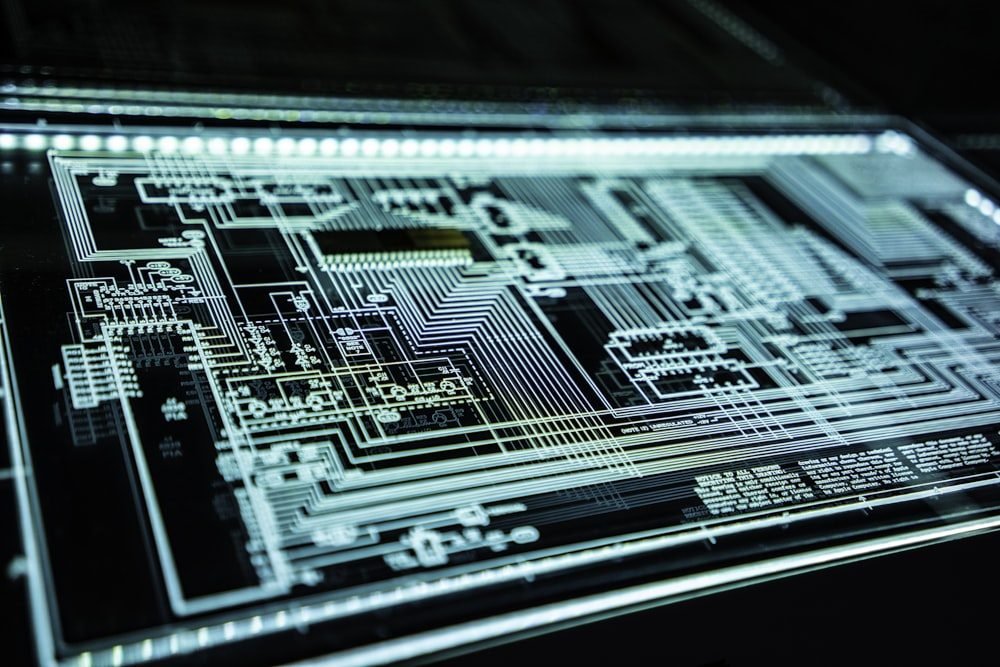
Command, telemetry and attitude electronics for small satellite platforms in low and medium Earth orbit.

Nuclear instrumentation
In-core and ex-core measurement chains for research reactors and advanced modular plant.
Propulsion control
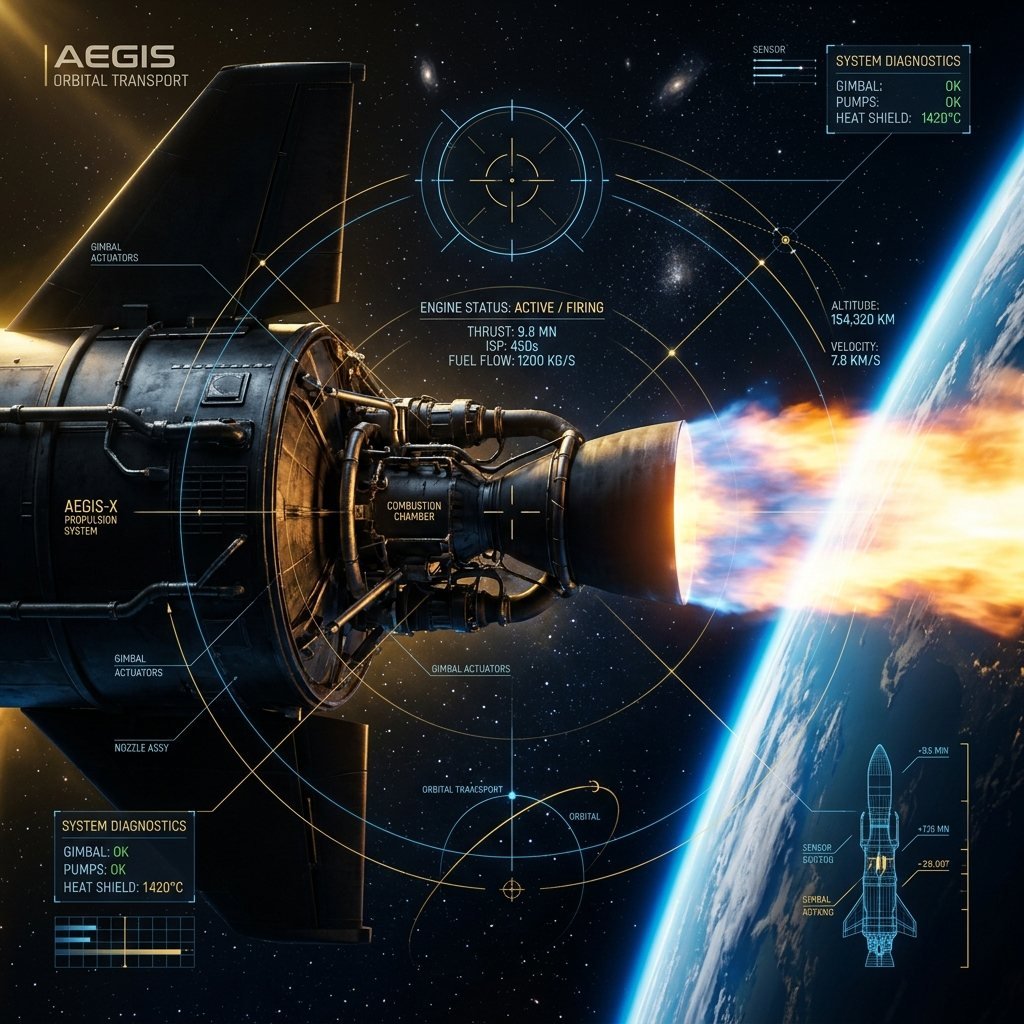
Engine sequencing, valve actuation and high-rate diagnostics for liquid propulsion test and flight.

Ground and air traffic systems
Surveillance data fusion and controller tooling for regional air navigation service providers.
03 — Capabilities
Not a list of everything an engineering firm can bill for. These are the six things we do repeatedly, with a bench of people who have done them before.
Line-replaceable units from requirements through to certification evidence — hardware, embedded software, and the DO-254 and DO-178C artefacts that go with them.
Making other people's boxes agree with each other. Bus architecture, interface control documents, and the integration rig that proves it before anything is installed.
Part selection, total-ionising-dose and single-event testing, derating analysis, and the campaign management to get it all witnessed and documented.
Measurement chains for places you cannot re-enter — in-core reactor sensors, engine test stands, and flight-test telemetry at high sample rates.
Twenty-year fleets outlive their silicon. We manage the redesigns, the requalification and the form-fit-function replacements so the aircraft stays dispatchable.
Certification plans, stage-of-involvement reviews and audit support for teams doing it for the first time — or doing it again after it went badly.
04 — Stories
Long-form accounts of programmes we have run — including the parts that went wrong and what we changed afterwards.
A research reactor's ex-core instrumentation had been recalibrated so many times that nobody could say what the original response curve was. We rebuilt the measurement chain from first principles — and found the drift was never in the detector.
We ran a full stage-of-involvement rehearsal before the real audit. It found nine findings we would otherwise have taken live.
The rad-hard FPGA we had qualified went end-of-life mid-programme. Here is how the Meridian team recovered the schedule.
“They were the only supplier who told us our schedule was wrong before we signed. Everyone else agreed with us and then missed it.”
05 — Markets
Transport-category retrofit and forward-fit avionics.
Engine control and test-stand instrumentation.
Smallsat platform avionics and ground segment.
Research reactors, modular plant and fuel handling.
Mission systems integration and sustainment.
Surveillance fusion for regional ANSPs.
Work with us
Send the requirement, the environment and the date it has to work by. An engineer will read it — not a form handler.
Start a conversation